Inside the Detroit Arsenal: Warren's Quiet Engine of Army Ground Power
Behind the fences on Mound Road sits the command that keeps the U.S. Army's trucks, tanks and ground systems running — and it has anchored Warren's economy for generations.
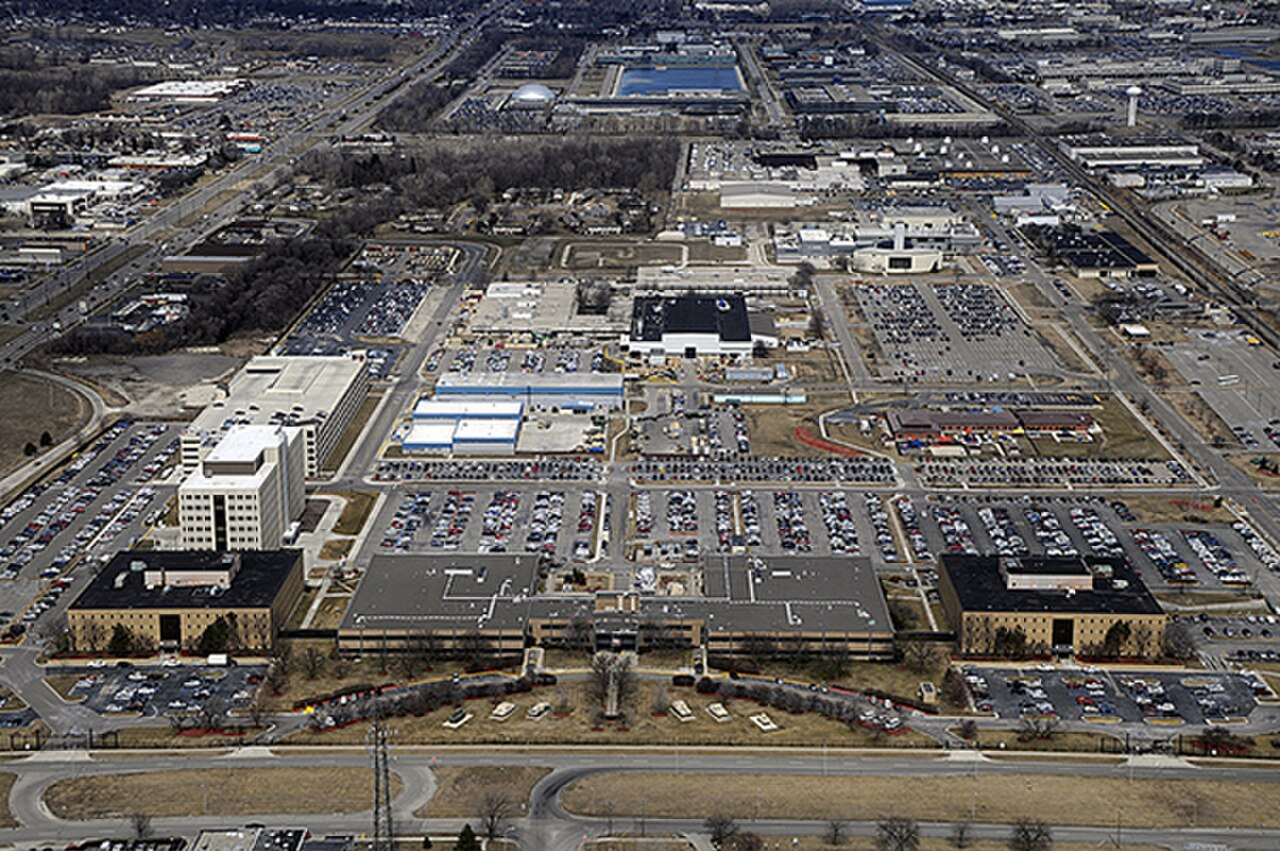
Most drivers on Mound Road pass the Detroit Arsenal without a second look: low buildings, careful landscaping, flags over the gate. Inside that perimeter in Warren is one of the most consequential military installations in the country — the home of the U.S. Army Tank-automotive and Armaments Command, known across the defense world as TACOM, and the Army's ground vehicle research and engineering center, now part of the Ground Vehicle Systems Center.
The Arsenal's roots in Warren reach back to 1940, when the Detroit Arsenal Tank Plant rose on the city's farmland to build tanks for World War II. That plant produced a quarter of the Sherman tanks built in the United States during the war, and the ground here has been tied to Army mobility ever since — through the M1 Abrams era, which the Warren plant shared with a sister facility in Lima, Ohio, until tank production in Warren ended in 1996.
What never left is the brain trust. TACOM manages the life cycle of the Army's ground fleet — the trucks, trailers, construction equipment and combat vehicles soldiers depend on — from the day a system is fielded to the day it is retired. Engineers and logisticians in Warren work on everything from fuel systems and watercraft to the robotics and electrification programs shaping the next generation of Army vehicles.
For Warren, the Arsenal is more than history. It is thousands of civilian and contractor jobs, a daily commuter tide down Mound Road and Van Dyke Avenue, and a reason suppliers across Macomb County keep machine tools humming. Defense work is famously cyclical, but the Arsenal's mission — readiness — does not go out of style, and its presence helps explain why southeast Michigan calls itself the defense corridor of the Midwest.
The Arsenal also shows up in quieter ways: veterans' events, school partnerships and a workforce full of people who served in uniform before they served at a desk. In a city built by plants, this is the one plant whose product is measured not in units sold but in soldiers equipped — and Warren has been its hometown for more than eight decades.