
The Closed-School Ledger: Warren's Empty Classrooms Are a Map of the City's Next Fight
Warren's population peaked at about 179,000 in 1970 and its school buildings were built for that city. What happens to the surplus ones — sold, reused, demolished or left to wait — is a public-records story every taxpayer owns.
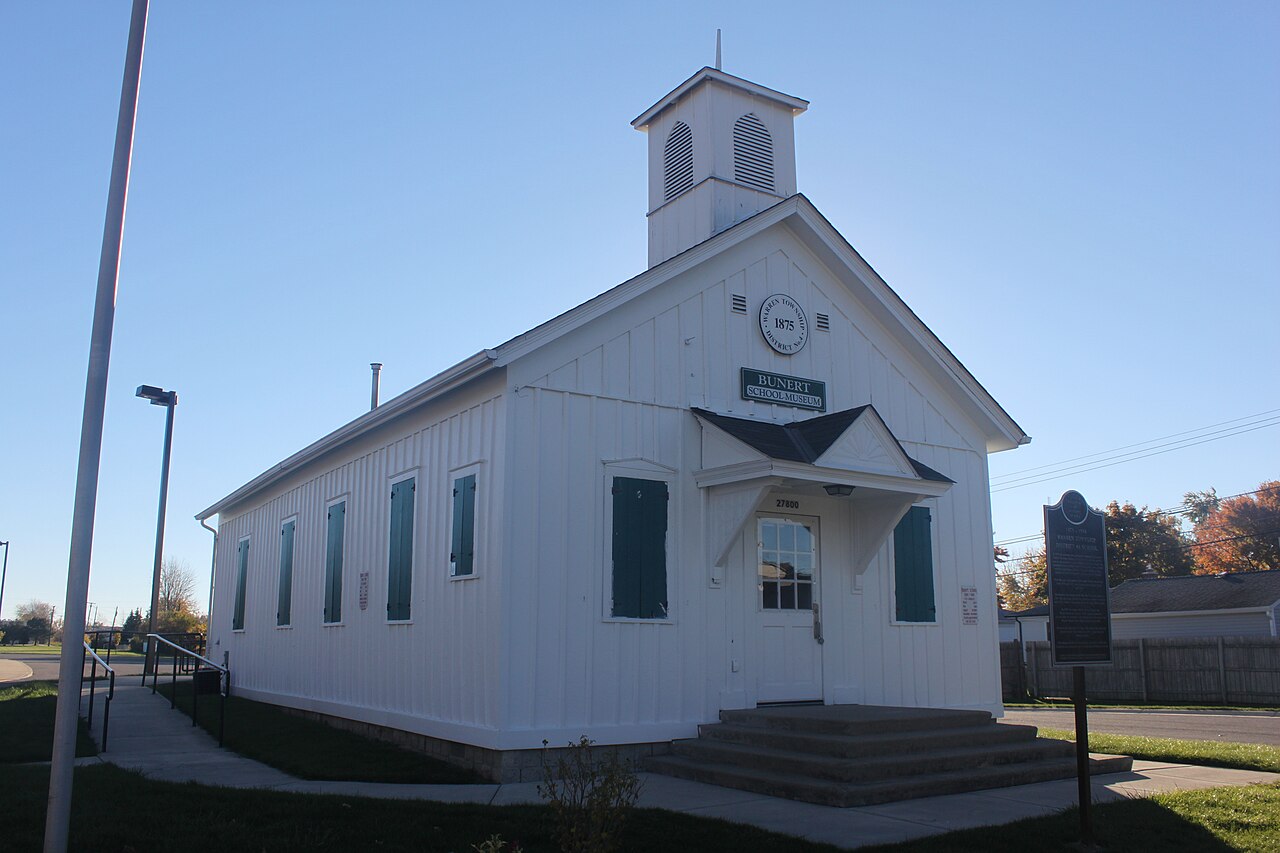
Start with a number: 179,000. That was Warren's population in 1970, when the baby-boom city was building schools as fast as subdivisions. The 2020 census counted 139,387. The gap between those two figures is written across the city in brick — in school buildings that districts have closed, consolidated, sold or repurposed over the decades, and in the old township schoolhouses, like the District No. 4 school, that survive as historic sites from an even earlier Warren.
Warren is served by multiple districts — Warren Consolidated Schools, Van Dyke Public Schools, Center Line, Fitzgerald and Warren Woods among them — and each holds its own portfolio of aging buildings and its own ledger of decisions. A closed school is never just a building. It is a land asset in a built-out city, a maintenance bill if held, a demolition bill if cleared, and a neighborhood question mark either way: residents who bought homes near a school did not buy them near a vacant lot with a fence.
The public record is where the answers live, and it is genuinely public. Board minutes, appraisal and sale documents, and the districts' published budgets show what each surplus property cost to keep, what it sold for, and who bought it. Churches, charter schools, municipal uses and private redevelopment have all taken former Warren classrooms into second lives — some thriving, some stalled, each one checkable in the minutes of the board that approved it.
What our reporting found, reading across the districts, is not scandal but sprawl: no single inventory, no shared map, and no common standard for telling a neighborhood early what is being considered for the building at the end of its street. Families typically learn a school's fate at the same meeting where its future is voted on — legal, noticed, and still too late to shape.
The recommendation writes itself, and it costs nothing: one public, regularly updated list of every surplus school property in Warren, its status and its asking terms, maintained by each district and linked in one place. The buildings were bought with public money. Their next chapters should be public reading.